
IV. INTERNET
-
IV. INTERNET
The Internet (INTERconnection of NETwork) is a network of networks comprising thousands of computers of varying designs and architectures. It is the largest information network in the world. Computers are connected to one another via a multitude of media. Thus, when information travels from a web server to your computer, it often passes through more than a dozen other computers. If one of these computers fails, the information will still reach the recipient in most cases, as it will take a different route thanks to the Internet’s mesh structure.
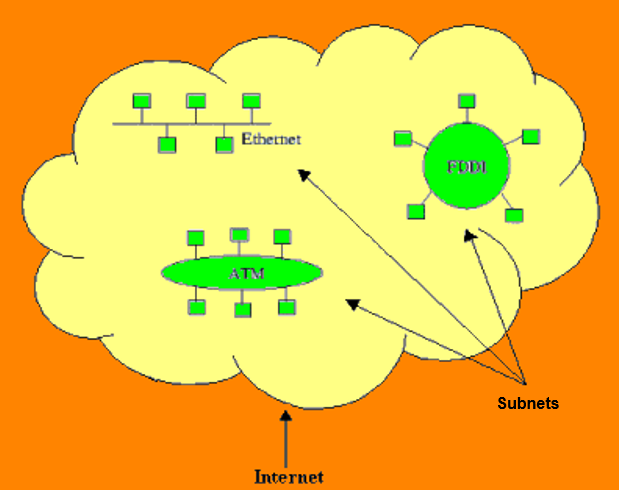
Fig. 1 — Internet Mesh Structure: Redundancy Ensures Resiliency
It is therefore possible for networks using technologies as diverse as Ethernet, FDDI, ATM, Wi-Fi and 5G to coexist within the same Internet. The only common requirement for the networks that make up the Internet is a set of identical communication protocols. This suite of TCP/IP protocols (comprising IP, UDP, TCP, HTTP, DNS, etc.) is by far the best known and most widely used. From the user’s perspective, the Internet appears as a single, unified network, transparent in its complexity.
ℹ Unbundling and the local loop
Unbundling refers to the ability of alternative operators to access the local loop of the incumbent operator’s network (Orange in France). Access is provided at the distribution frame (NRA — Subscriber Connection Node) by connecting the unbundled subscriber lines to the alternative operator’s equipment. Sub-loop unbundling allows this operation to be carried out at the sub-distribution frame, closer to the subscriber, which shortens the copper pair and improves VDSL2 speeds.